Ask a group of people to talk about movies they watched many years ago, and the conversation will usually reveal something interesting about what actually stays with us after a film is over. Someone may remember the main character but struggle to remember the character’s name, while another person may remember one important scene but no longer know what happened immediately before or after it. Someone else may confidently tell you that a particular movie was one of the best films they ever watched, even though they can barely explain the storyline anymore. What they often remember with greater certainty is how the movie made them feel when they experienced it.
A person may remember being frightened enough to think about a particular scene after going to bed, while someone else remembers crying at an ending they can no longer describe properly. Another viewer may remember becoming so angry with a character that the frustration continued after the movie had finished. The details of the story have gradually disappeared, but the experience attached to those details has remained surprisingly familiar. This suggests that remembering a movie is not always about preserving every event in the correct order, because sometimes the strongest memory is simply what happened inside you while the story was unfolding.
“A movie can finish telling its story in a few hours, while the feeling it creates can continue living in the viewer long after the details have disappeared.”
A storyline can be filled with unexpected turns, carefully written conversations, impressive performances, beautiful locations, and scenes designed to move the story forward, yet audiences do not carry every part of that experience with them equally. One scene can disappear completely while another remains vivid for years, and the scene that survives is not necessarily the loudest or most dramatic moment in the film. Sometimes a quiet conversation between two characters becomes more memorable than an elaborate sequence that required far more attention to produce.
You can probably think of a movie where one small moment became your memory of the entire film. Perhaps it was the way a character looked at another person without saying anything, or perhaps it was a goodbye that felt more painful because of everything that had happened before it. It could have been a piece of music that arrived at exactly the right moment or a simple conversation that unexpectedly reminded you of something from your own life. The movie continued after that scene, but something about that particular moment stayed behind.
This is also why two people can watch exactly the same movie and leave with completely different experiences of what they have seen. They watched the same characters, heard the same conversations, followed the same storyline, and reached the same ending, but they did not enter the movie with the same lives. Every viewer brings memories, relationships, disappointments, expectations, fears, experiences, and personal understanding into the room, and those things can influence which parts of a story become important.
A film about losing someone may be moving to almost anyone, but it can reach a different place in a viewer who has recently experienced a similar loss. A story about friendship may remind one person of somebody who has remained beside them for years, while another viewer may begin thinking about a friendship that quietly disappeared. A character struggling with family expectations may appear unreasonable to one person and painfully familiar to someone else. The movie has not changed between those viewers, but the lives meeting the movie are different.
“The screen gives everyone the same movie, but every viewer brings a different life to meet it, which is why the same story can leave completely different memories behind.”
This difference also explains why knowing what happens in a movie does not always remove the reason to watch it. Someone can tell you that an important character dies, but knowing that information is different from experiencing everything that makes the loss meaningful. You can know that two characters eventually end up together without experiencing the conversations, misunderstandings, disappointments, and small moments that make you care about their relationship. Knowing the destination does not automatically give you the experience of travelling through the story.
The idea becomes even clearer when you return to a movie you have already watched several times. There is no mystery left about what will happen because you know the important scenes, recognise the conversations, and remember how the story ends, yet you still want to experience it again. You may even wait for a particular scene because you already know what it does to you. At that point, you are returning to something familiar that still creates an experience worth having.
Something similar happens when people revisit movies they loved when they were younger. Watching the same film years later can feel unexpectedly different because the movie remained the same while the viewer continued living. A character who once seemed irritating may suddenly become understandable, while a scene that once seemed funny may now carry sadness that was impossible to recognise at a younger age. A story remembered as a simple adventure may reveal something about family, sacrifice, loneliness, responsibility, or growing older that the younger viewer was not ready to understand.
Memorable entertainment does not always have to make the audience feel comfortable. Some movies remain with people precisely because they were difficult to watch. A film may be disturbing, heartbreaking, uncomfortable, or emotionally exhausting, and the viewer may have no desire to watch it again, yet the experience continues occupying a place in memory. Enjoying a movie and being affected by a movie are not always the same experience, because entertainment can leave something valuable behind without making the journey pleasant.
This is why remembering a movie should not be measured only by how accurately someone can explain its plot years later. Stories are experienced before they are remembered, and what survives from that experience does not always follow the structure of the screenplay. Entire sections can disappear while a single expression remains, and names can be forgotten while a piece of music still brings everything rushing back.
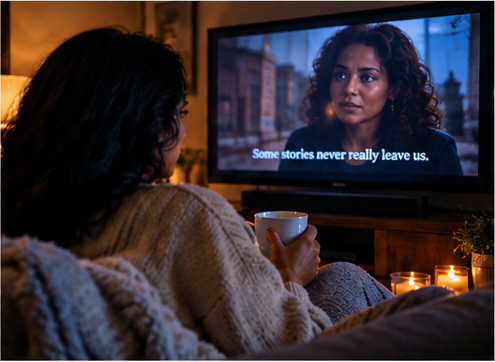
Perhaps this is why certain movies continue finding their way back into conversations many years after people first watched them. We may no longer be able to explain every event correctly, but we remember that something happened while we were watching, and we remember enough of that experience to want someone else to feel it too. The movie may have ended years ago, but the part that reached the viewer did not necessarily leave when the screen went dark.